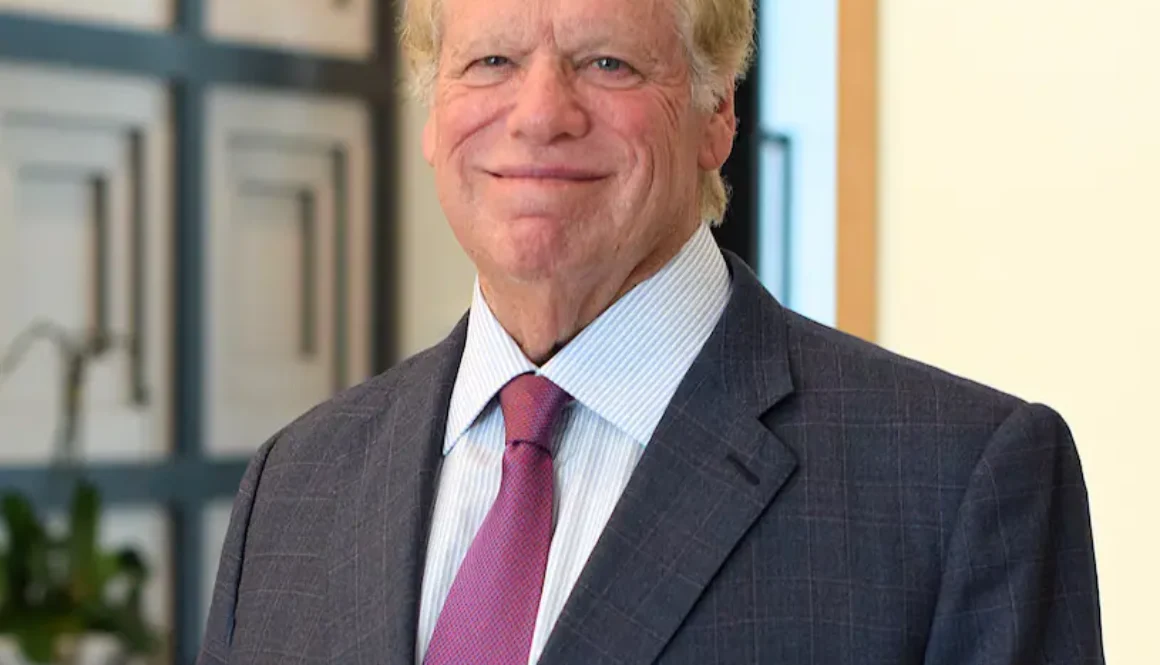
Elliott Broidy on Leadership, Investment, and the Future of Defense Tech
This article was originally published in Time Business News on November 14, 2025.
We recently sat down for a conversation with Elliott Broidy, an entrepreneur who has used his extensive experience and talent to found, invest in, and, in some cases, manage as CEO, more than 160 companies over his four-decade career. Since 2014, he has focused on technology businesses (including, more recently, AI) in the defense intelligence, homeland security, public safety, and law enforcement sectors. He is the Chairman and CEO of Broidy Capital Holdings, LLC, founded in 2022 in Boca Raton, FL, and its predecessor, Broidy Capital Management, headquartered in Los Angeles from 1991 to 2022. Mr. Broidy is the founder and Managing Partner of Threat Deterrence Capital Holdings, LLC and LEO Technologies Holdings, LLC.
Broidy’s commitment to public safety and the security of the United States and its allies has shaped both his career and philanthropy. Following 9/11, he redirected his business focus toward security and defense technology, driven by a mission to protect both the United States and its allies. This dedication to national security continues to guide his investment strategy and technological innovation in the defense sector.
In the following interview, we cover Elliott Broidy’s insights on business, security, and technology investments.
Q: What fundamental changes have you observed in defense technology over your career?
Elliott Broidy: The most fascinating shift has been the democratization of innovation in the defense sector. When I started my career, breakthrough technologies typically emerged from government labs or established defense contractors. Today, we’re seeing transformative solutions coming from startups, AI researchers, and commercial tech companies. This has fundamentally changed how we approach security challenges. What’s particularly interesting is how commercial technologies are being adapted for defense applications, rather than the other way around – a complete reversal from historical patterns. This shift has made the integration of civilian and defense technology development more important than ever.
Q: How do you evaluate potential investments in the defense tech sector?
Elliott Broidy: My evaluation process has evolved significantly over the years. Beyond the typical metrics of market size and growth potential, I look closely at three critical factors. First, does the technology meaningfully enhance human capabilities rather than trying to replace them entirely? Second, how flexible is the solution – can it adapt to emerging threats and changing operational needs? And third, perhaps most importantly, does the team understand both the technical and operational aspects of their solution? I’ve found that the most successful investments come from teams that deeply understand the day-to-day realities of their end users, not just the technology they’re developing.
Q: What role do you see AI playing in the future of defense and public safety?
Elliott Broidy: AI’s potential in defense and public safety goes far beyond what most people imagine. The real power lies not in replacing human judgment, but in enhancing our ability to process and understand vast amounts of information in real time. What excites me most is how AI can serve as a force multiplier for analysts and operators in the field. For instance, when analyzing large datasets, AI can quickly identify patterns and anomalies that would take human analysts weeks or months to discover. But the key is maintaining the right balance – AI should augment human expertise, not attempt to replace it. This means developing systems that provide actionable insights while leaving critical decision-making in human hands.
Q: How do you balance innovation with practical implementation when developing security solutions?
Elliott Broidy: The truth is, the most innovative solution isn’t always the most effective one. I’ve learned that successful implementation often comes down to understanding the operational environment where the technology will be used. You have to consider factors like existing workflows, training requirements, and system integration. I always tell my teams that a slightly less sophisticated solution that works seamlessly within existing systems is far more valuable than a cutting-edge technology that creates operational friction. It’s about finding the sweet spot between pushing technological boundaries and ensuring practical, day-to-day usability.
Q: What advice would you give to entrepreneurs looking to enter the defense technology space?
Elliott Broidy: Success in this sector requires a unique combination of innovation and pragmatism. Many entrepreneurs come in thinking it’s all about having the most advanced technology, but that’s only part of the equation. What’s equally crucial is understanding the regulatory and compliance landscape – it’s complex but essential to navigate effectively. I also encourage entrepreneurs to think carefully about team composition. The most successful ventures I’ve seen combine technical innovators with people who have deep operational experience in the field. And perhaps most importantly, focus on building sustainable, scalable solutions rather than chasing quick wins. The defense sector values reliability and longevity over rapid but unstable innovation. If you’re in this space, you need to be thinking about long-term impact and dependability.
Q: How do you see private sector investment in defense technology evolving over the next decade?
Elliott Broidy: We’re entering an incredibly dynamic period in defense technology investment. The pace of technological change continues to accelerate, and we’re seeing new threats emerge that require innovative solutions. I believe we’ll see increased collaboration between traditional defense contractors and emerging tech companies, particularly in areas like artificial intelligence, cybersecurity, and data analytics. The key to success will be maintaining focus on real-world impact rather than just technological advancement. The most effective investments will be those that enhance existing capabilities while enabling new ones, always with an eye toward actual operational needs. The companies that succeed will be those that can adapt quickly to emerging threats while maintaining the reliability and integration capabilities that this sector demands.